The Forager's Table: Wild Ingredients of Northern Spain
Tracing Atlantic coastal currents, limestone cave cheeses, and oak-forest gastronomy in Asturias.
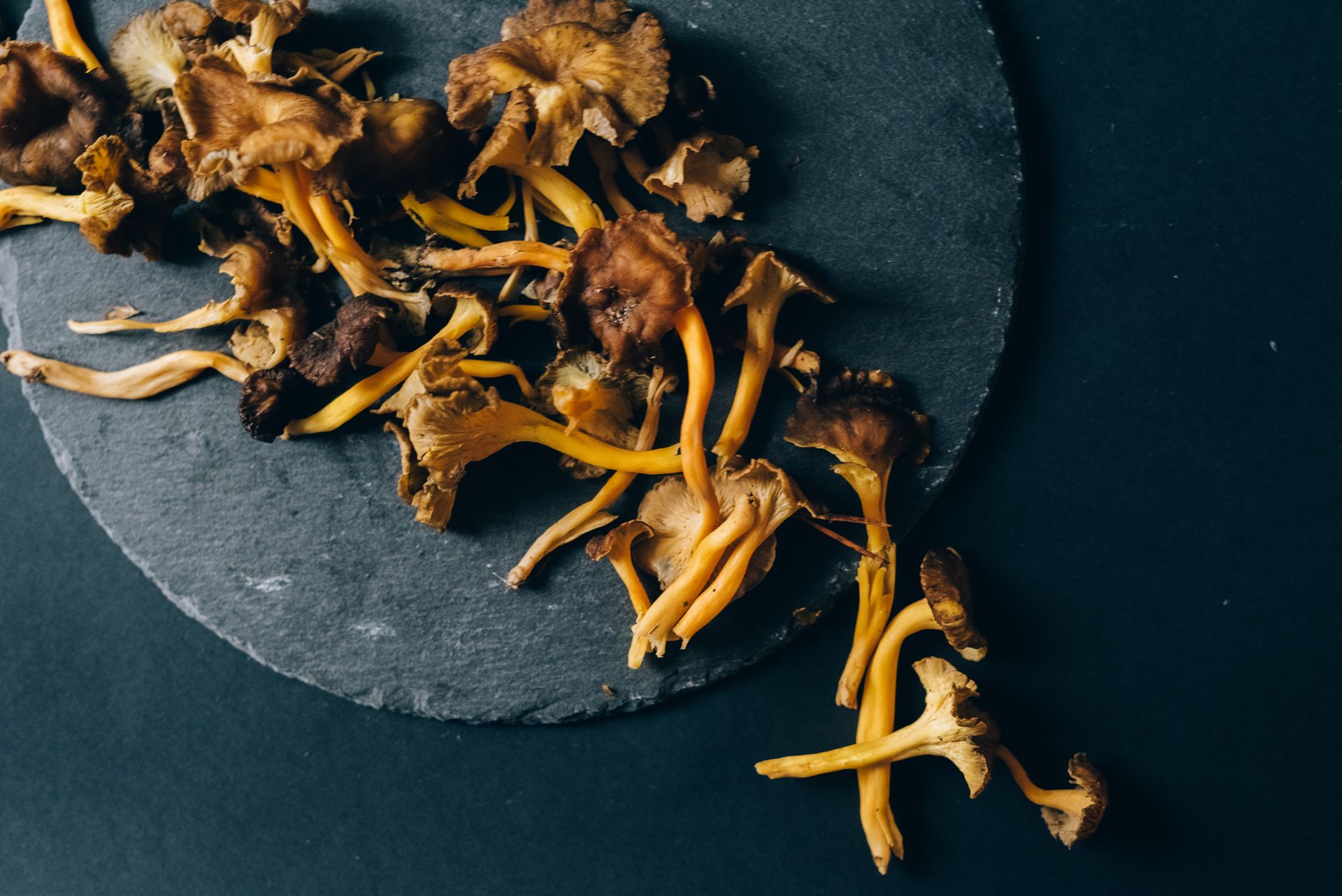
Table of Contents
1. Between Ocean and Limestone Peak
Few European geographies compress such extreme bio-diversity within forty miles as Asturias. The dramatic peaks of the Picos de Europa descend precipitously into the churning waters of the Bay of Biscay, creating dozens of distinct micro-climatic valleys where ancient chestnut forests host rare edible fungi.
2. The Microflora of Cabrales Caves
In high glacial caverns inaccessible by vehicle, rounds of Cabrales cheese age for five months under 90 percent ambient humidity. The caves breathe cold air through subterranean fissures (*soplados*), nurturing natural Penicillium molds that impart complex minerality to the curd.
3. Regenerative Tables in Remote Hamlets
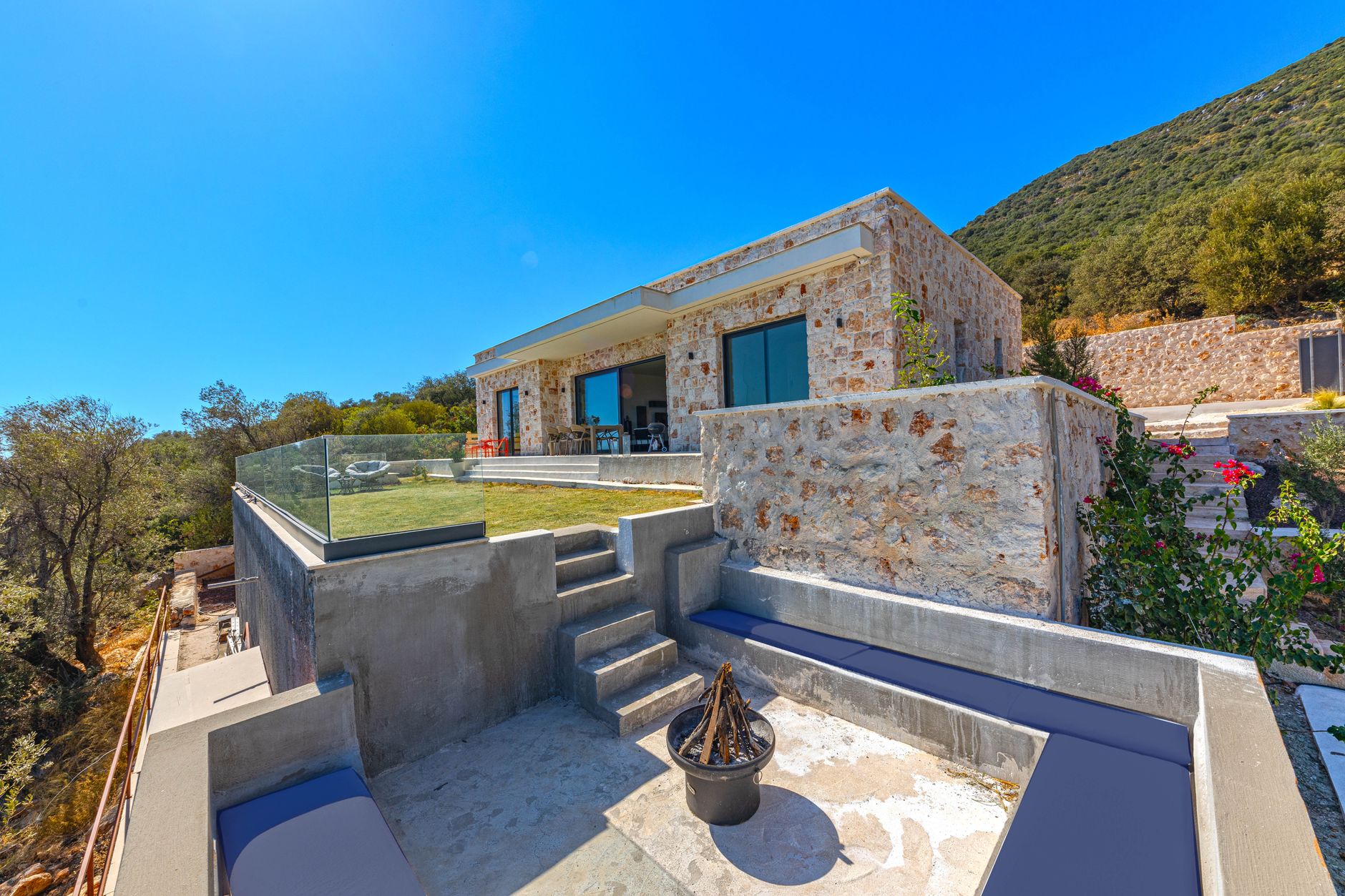
Young culinary innovators returning from urban Michelin kitchens are reinhabiting stone granaries (*hórreos*). Instead of elaborate imported luxuries, dinner consists of wild sea fennel gathered at low tide, line-caught mackerel cured in native apple cider, and chestnuts smoked over oak embers.